VA Specially Adapted Housing and Special Home Adaptation Grants: 2026 Eligibility, Amounts, and How to Apply
8 min read · Last updated August 20, 2026
- The 2026 maximum Specially Adapted Housing (SAH) grant is $126,526; the 2026 maximum Special Home Adaptation (SHA) grant is $25,350.
- SAH requires conditions like loss of more than one limb, both-eye blindness, or certain severe burns; SHA covers a narrower list, including loss of use of both hands.
- A veteran can draw on SAH or SHA funds up to six separate times over a lifetime, but the combined total across all uses cannot exceed the fiscal-year maximum.
- Application runs through Department of Veterans Affairs (VA) Form 26-4555, and the underlying disability must already be established as service-connected before the grant can be approved.
In this article
- What SAH and SHA Grants Are, and Why They Exist
- Who Qualifies: SAH Conditions vs. SHA Conditions
- What the Grant Actually Covers, and What It Doesn’t
- How to Apply: VA Form 26-4555 and Medical Certification
- What Causes Denials or Wastes the Grant
- Frequently asked questions
Devon Marsh, a Marine corporal, lost both legs above the knee to an improvised explosive device outside Sangin in 2011. The Department of Veterans Affairs (VA) did not hand him a blank check to rebuild his life around a wheelchair. It handed him a specific number: up to $126,526 for fiscal year 2026, the current maximum for a Specially Adapted Housing grant. That number is fixed by law, it changes annually, and it is the ceiling on what VA will pay toward buying, building, or modifying a permanent home so a veteran like Devon can move through it independently. Everything above that ceiling, and everything outside what the grant covers, is his to fund another way.
What SAH and SHA Grants Are, and Why They Exist
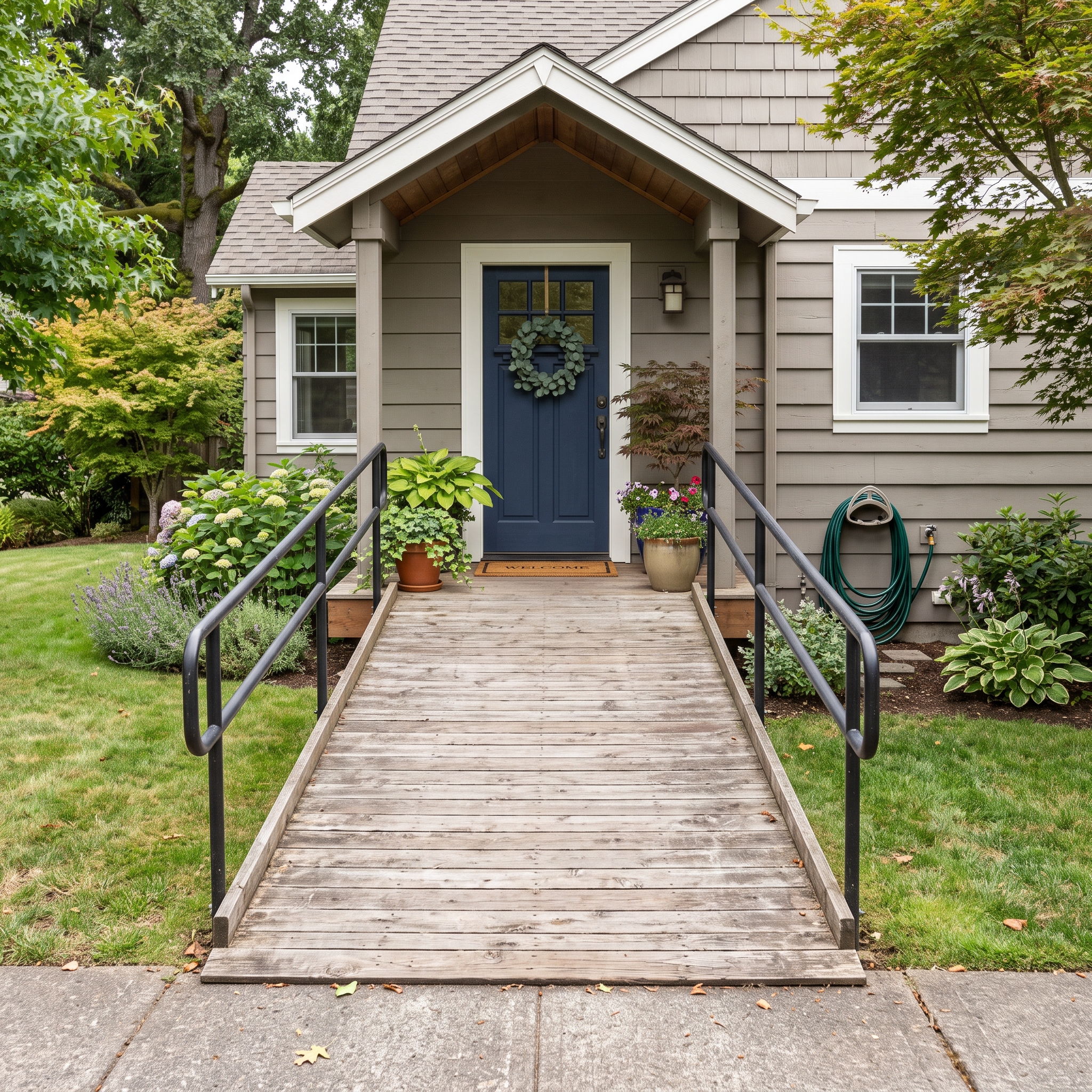
VA runs two related grant programs for veterans and service members with severe, service-connected disabilities: Specially Adapted Housing, SAH, and Special Home Adaptation, SHA. Both exist for the same reason, to fund changes to a permanent home so a disabled veteran can live in it with reasonable independence rather than relying on institutional care or constant assistance. That can mean a wheelchair ramp, a widened doorway, a roll-in shower with no curb, lowered countertops, or, in the case of the largest grants, buying or building a home already suited to those needs.
SAH and SHA are not the same program with different names. They fund different scopes of disability and different scopes of construction, and mixing them up is one of the more common ways veterans misjudge what they can expect. VA also runs a related Temporary Residence Adaptation, TRA, grant for veterans who qualify for SAH or SHA but are living temporarily in a family member’s home rather than their own, which draws on the same eligibility categories at a different funding cap.
Who Qualifies: SAH Conditions vs. SHA Conditions
SAH eligibility requires a veteran to own or plan to own the home, and to have one of a specific set of service-connected disabilities. According to VA, those qualifying conditions include the loss, or loss of use, of more than one limb; the loss, or loss of use, of a lower leg combined with the lasting effects of an organic disease or injury; blindness in both eyes with 20/200 visual acuity or less; certain severe burns; or, for veterans and service members injured after September 11, 2001, the loss or loss of use of one lower extremity severe enough that they cannot balance or walk without braces, crutches, canes, or a wheelchair. That last category is capped by Congress at 120 qualifying veterans and service members per fiscal year, so a veteran who qualifies under it late in a fiscal year may have to wait for the next one.
SHA eligibility is narrower. A veteran or an eligible family member must own or plan to own the home, and the veteran’s qualifying service-connected disability must be the loss or loss of use of both hands, certain severe burns, or certain respiratory or breathing injuries. SHA funds a smaller scope of adaptation than SAH, and its maximum dollar amount reflects that.
| Feature | SAH Grant | SHA Grant |
|---|---|---|
| 2026 maximum grant amount | $126,526 | $25,350 |
| Qualifying conditions | Loss or loss of use of more than one limb; loss or loss of use of a lower leg plus organic disease residuals; blindness in both eyes (20/200 or less); certain severe burns; single lower-extremity loss after 9/11 affecting balance or walking | Loss or loss of use of both hands; certain severe burns; certain respiratory or breathing injuries |
| What it typically funds | Buying, building, or extensively remodeling a home, including ramps, widened doorways, roll-in showers, and full accessibility retrofits | Smaller-scope adaptations to an existing home, such as accessible fixtures and modified controls |
| Lifetime use limit | Up to 6 uses total, combined amount capped at the fiscal-year maximum | Up to 6 uses total, combined amount capped at the fiscal-year maximum |
| Best for | Veterans with the most severe mobility or sensory losses needing a full home rebuild or purchase | Veterans needing targeted accessibility changes rather than a full rebuild |
What the Grant Actually Covers, and What It Doesn’t
Once a veteran qualifies, VA does not require the full grant amount to be spent in a single year. A veteran can draw on SAH or SHA funds across up to six separate uses over a lifetime, using as much or as little as a given project requires, as long as the combined total across all six uses stays within the current fiscal-year maximum. That flexibility helps a veteran whose needs change over time, adding a ramp now and a roll-in shower conversion years later, without reapplying from zero each time.
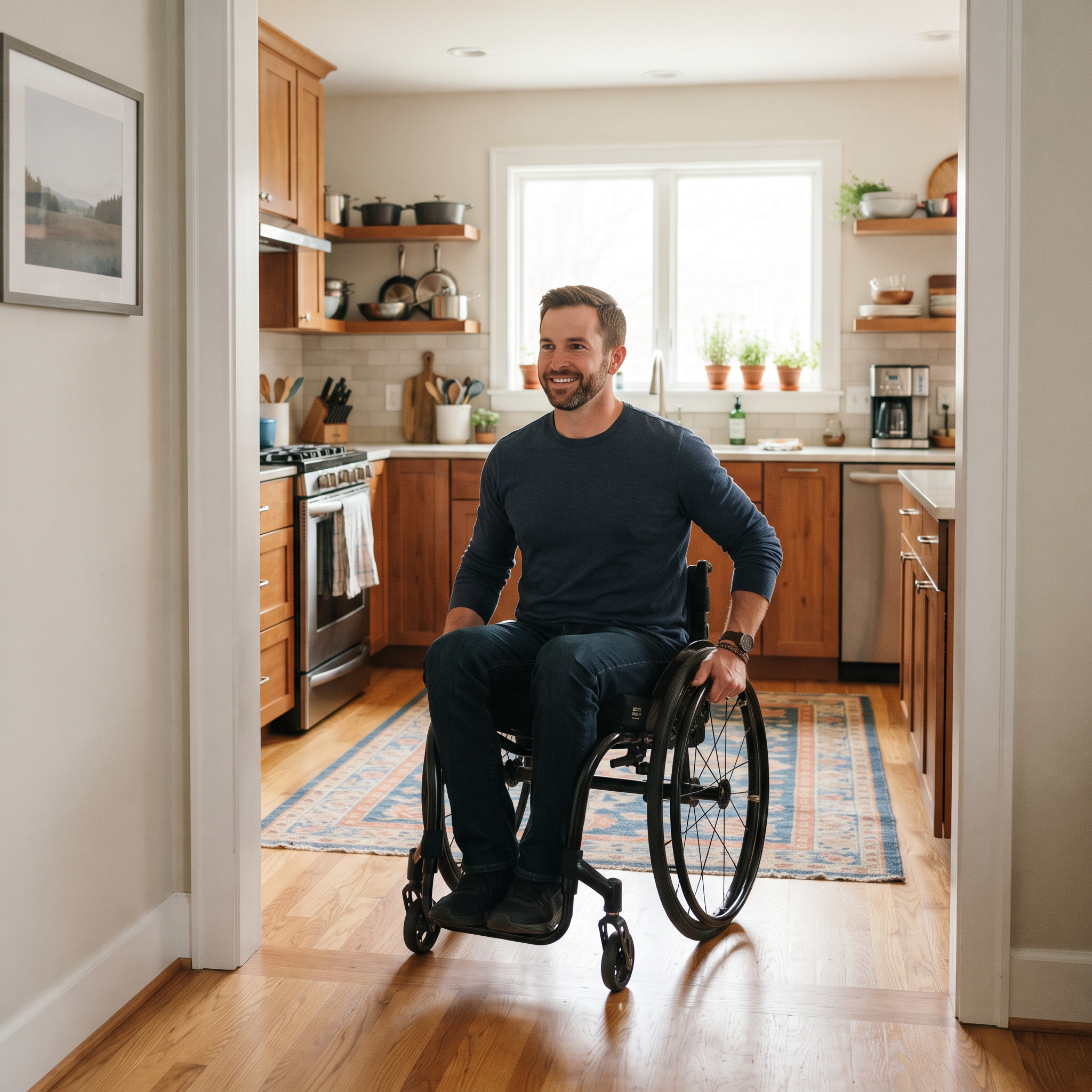
What the grant does not do is cover costs above its ceiling. If a full accessibility remodel runs $150,000 and the veteran’s SAH maximum is $126,526, the remaining balance is the veteran’s responsibility, whether through savings, a home loan, or another funding source. The grant also does not follow the veteran automatically into a home they do not own or plan to own, and it does not retroactively cover work completed before VA approval. Veterans living temporarily with a family member instead of in a home they own may qualify instead for a Temporary Residence Adaptation grant, which uses the same underlying SAH or SHA eligibility at a separate, lower funding cap.
How to Apply: VA Form 26-4555 and Medical Certification
The application for both programs is the same form, VA Form 26-4555, formally titled Application in Acquiring Specially Adapted Housing or Special Home Adaptation Grant. Veterans can apply for an adapted housing grant online directly through VA.gov, or complete the paper form and either mail it to the VA Claims Intake Center or bring it in person to the nearest VA regional office.
Because both grants hinge entirely on a qualifying service-connected disability, the underlying condition generally needs to already be established and rated through VA’s disability compensation process before the housing grant application can move forward. VA reviews the application against that existing service-connected disability record, and may request additional medical documentation confirming the extent of the impairment before approving a grant amount. Veterans who are still waiting on a disability rating decision for the condition they intend to use should expect that timeline to affect the housing grant timeline as well. Full details on the current version of VA Form 26-4555 are available directly from VA.
What Causes Denials or Wastes the Grant
The most common denial trigger is sequencing: applying for SAH or SHA before the qualifying condition has been rated as service-connected by VA. The grant is built on top of an existing disability determination, not a substitute for one, so a veteran should confirm that rating is final before submitting Form 26-4555.
The second common mistake is assuming the grant covers every dollar of a remodel. It does not. SAH and SHA are fixed ceilings, $126,526 and $25,350 respectively for 2026, and any construction or purchase cost above that maximum comes out of the veteran’s own funds. A veteran who commits to a bid without checking it against the current maximum can end up short partway through construction. A third mistake is treating the six-lifetime-use rule as though each use resets the dollar cap. It does not: the six uses share one combined ceiling, so early spending decisions affect what is left for adaptations needed later in life.
Frequently asked questions
What is the difference between a VA SAH grant and an SHA grant? Specially Adapted Housing, SAH, funds the largest scope of home changes, including buying or building a home, for the most severe qualifying disabilities, such as loss of more than one limb. Special Home Adaptation, SHA, funds a narrower set of adaptations, such as accessible fixtures, for a smaller list of conditions, at roughly one-fifth the maximum dollar amount.
How much money can a veteran get from a 2026 SAH or SHA grant? For fiscal year 2026, the maximum SAH grant is $126,526 and the maximum SHA grant is $25,350, according to VA. These are hard ceilings set annually, not estimates, and any project cost above the applicable maximum is the veteran’s own responsibility.
How many times can a veteran use SAH or SHA grant funds? VA allows a veteran to draw on SAH or SHA funds across up to six separate uses over a lifetime. The combined dollar total across all six uses is still capped at the current fiscal-year maximum, so it is not six times the grant amount.
What conditions qualify a veteran for a VA Specially Adapted Housing grant? Qualifying SAH conditions include loss or loss of use of more than one limb, loss of a lower leg with organic disease residuals, blindness in both eyes at 20/200 acuity or less, certain severe burns, and, for post-9/11 injuries, single lower-extremity loss affecting balance or walking, capped at 120 veterans per fiscal year.
Do I need my disability rating finalized before applying for VA Form 26-4555? Generally yes. Both SAH and SHA grants depend on an existing service-connected disability determination from VA. Applying before that rating decision is final is a common reason applications stall, since VA reviews the housing grant against the disability record already on file.