The VA Can’t See You in 20 Days or Within 30 Minutes. Federal Rules Say That’s Not Your Problem to Solve Alone.
Denise waited three weeks for a VA primary care follow-up. VA’s own access standard said that shouldn’t happen.

Denise waited three weeks for a VA primary care follow-up. VA’s own access standard said that shouldn’t happen.

An Intent to File can protect up to a year of retroactive VA back pay, but only if the complete claim follows within 12 months of VA receiving it.

VA health care and VA disability compensation are separate systems. Here is how the 8 priority groups decide what you pay for treatment.

A private doctor can fill out the same form used at a VA exam. Whether that form records how often symptoms happen, not just that they happen, often decides how the evidence reads.

An artillery crewman who spent 14 months near 155mm howitzers files for hearing loss and tinnitus. One condition rates a flat 10%. The other depends on a table lookup most veterans have never seen.

A Marine stationed at Camp Lejeune for 18 months in the late 1960s later develops kidney cancer. Here is how the VA’s presumptive conditions list changes that claim.
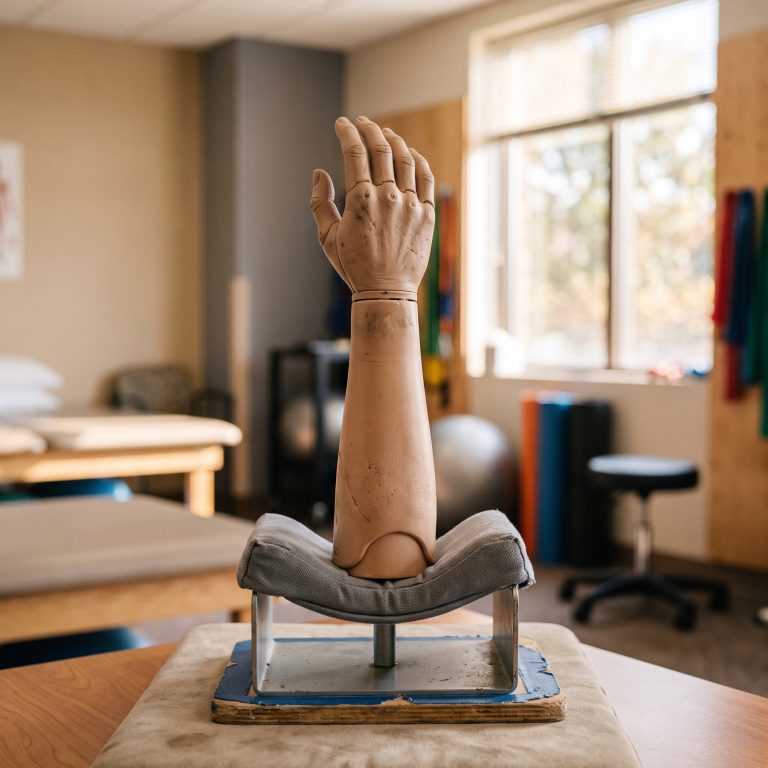
A veteran with a service-connected 70% rating who also lost the use of one hand in a training accident may be owed an extra $139.87 a month that most disability calculators never show. Here is how SMC-K through SMC-O actually work.

A rated disability that quietly worsens a second, unrelated condition can still be compensated, but VA only pays for the part of the damage it actually caused.

A veteran with a rare respiratory illness spent two years fighting to prove his burn pit exposure caused it. The PACT Act removed that burden entirely.

A veteran rated 30% for PTSD wonders why a buddy with similar symptoms was rated 70%. The difference is one federal formula, not luck.