Your VA Disability Pay Cuts Your Retired Pay. Two Programs Can Restore It.
A military retiree’s pay doesn’t just get offset by VA disability compensation once. It stays offset every month until CRDP or CRSC fixes it, and a retiree can only pick one.

A military retiree’s pay doesn’t just get offset by VA disability compensation once. It stays offset every month until CRDP or CRSC fixes it, and a retiree can only pick one.

Teresa got a $4,200 debt letter from the VA. The dispute window and the waiver window are not the same deadline.

A one-time VA payment covers the vehicle. A separate, repeatable VA grant covers the hand controls and lift that let a veteran actually drive it. Here’s how the two benefits, and the two application forms, actually work.

The PCAFC stipend goes to the caregiver, not the veteran, and its amount depends on a federal pay table for her zip code, not on his disability rating.

A 78-year-old widow pays $14,000 a year for in-home help. Whether VA approves her claim depends on a net worth test that counts her Social Security check right alongside her savings account.
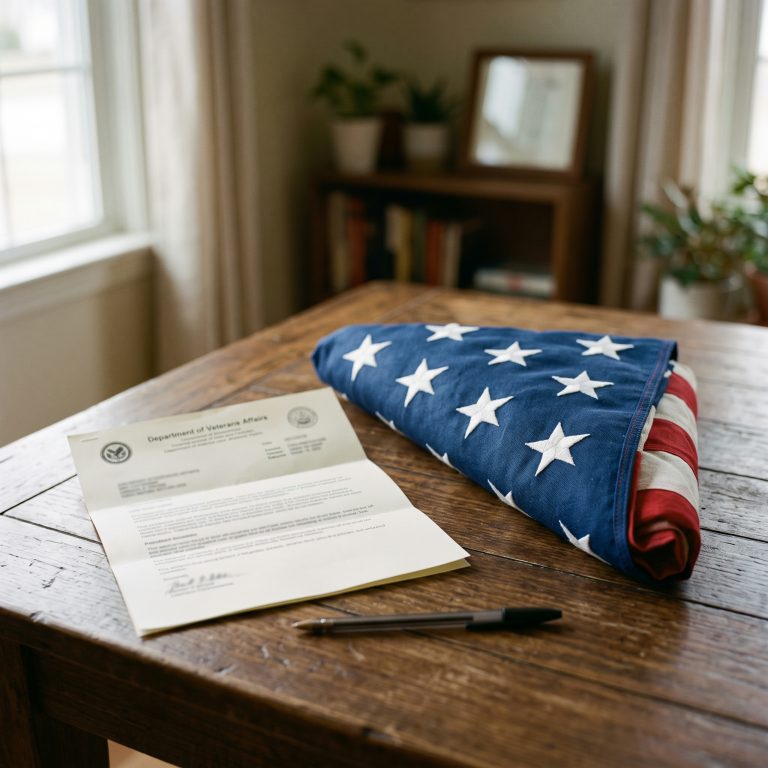
A veteran’s family has two years from the date of burial to file for a VA burial allowance, and missing that window can mean losing reimbursement entirely.

A 66-year-old widow with $9,400 in yearly income and no service-connected cause of death still qualifies for a tax-free VA benefit worth up to $11,699 a year. Here is how VA Survivors Pension eligibility actually works.

A veteran can qualify for the VA Housebound benefit without ever needing help getting dressed, if a second disability rating clears the right threshold.

A veteran replacing three pairs of pants a year to a leg brace had no idea the VA reimburses that damage every single year.

A veteran who lost both legs above the knee does not get a blank check from the VA, he gets a fixed number, and that number determines what his home can and cannot become.