The VA Automobile Allowance Pays $27,074.99 Once. The Adaptive Equipment Grant Doesn’t Stop There.
8 min read · Last updated October 1, 2026
Reviewed for accuracy by Steven Sun · See our Editorial Standards
- The one-time automobile allowance pays up to $27,074.99 (effective October 1, 2025) toward a vehicle purchase, and a veteran can only receive it once in a lifetime.
- Ankylosis, meaning a joint that has fused and can no longer bend, of one or both knees or hips does NOT qualify a veteran for the cash allowance itself. It only opens eligibility for the separate adaptive equipment grant.
- The adaptive equipment grant is not one-time. The Department of Veterans Affairs (VA) will fund equipment, such as hand controls or a wheelchair lift, for up to two vehicles within a four-year period.
- Adaptive equipment can be installed on a vehicle a veteran already owns. The one-time allowance only applies to a vehicle being purchased.
The VA automobile allowance pays a one-time amount of up to $27,074.99 toward a vehicle purchase for veterans with specific service-connected conditions, while the separate adaptive equipment grant funds items like hand controls and wheelchair lifts and can be approved more than once, including for a vehicle the veteran already owns.
In this article
- What the automobile allowance actually pays for
- Who qualifies, and the condition that doesn’t count for the cash grant
- The adaptive equipment grant: repeatable, and it can go on your current car
- Automobile allowance vs. adaptive equipment grant
- How to apply: two forms, two different VA offices
- What causes delays or denials
- Frequently asked questions
Terrence Boyd lost the use of his left foot in an improvised explosive device blast outside Fallujah in 2007. Nineteen years later, when he finally filed for the VA automobile allowance, he expected one check to cover everything he needed to drive again. He got the one-time $27,074.99 payment toward a new vehicle. Then he found out the hand controls, the power seat, and the wheelchair lift that would actually let him drive that vehicle come from a separate VA program, with its own form and no lifetime cap.
What the automobile allowance actually pays for
The automobile allowance is a one-time cash payment toward the purchase of an automobile or other conveyance. As of October 1, 2025, the maximum amount is $27,074.99, adjusted periodically by VA. This figure is published on VA’s special benefit allowance rates page, which also lists the separate clothing allowance ($1,053.19, a different program covered in our clothing allowance guide).
VA typically pays this money directly to the seller or dealer once your claim is approved, not to you personally, and it can include applicable taxes as part of the purchase price. You receive this specific payment only once in your lifetime, regardless of how many vehicles you buy afterward or how your condition changes.
Several of the same service-connected conditions that unlock the automobile allowance also open eligibility for a separate, one-time home-modification benefit. If you’re checking one grant, it’s worth checking the other, covered in our guide to the VA Specially Adapted Housing grant.
Who qualifies, and the condition that doesn’t count for the cash grant
To get the one-time automobile allowance, your service-connected condition, meaning a disability VA has formally linked to your military service, must include at least one of the following, per VA’s automobile allowance and adaptive equipment page:
- Loss, or permanent loss of use, of one or both feet
- Loss, or permanent loss of use, of one or both hands
- Permanent decreased vision in both eyes: 20/200 or worse in your better eye with glasses, or a visual field contracted to 20 degrees or less
- A severe burn injury
- Amyotrophic lateral sclerosis (ALS), a progressive disease that damages nerve cells controlling voluntary muscle movement
Here is the distinction most veterans never hear: ankylosis, a joint that has fused solid and cannot bend, of one or both knees or hips is NOT on that list. It does not qualify you for the $27,074.99 cash payment. VA’s own Automobile Adaptive Equipment program page confirms ankylosis of the knees or hips opens eligibility for adaptive equipment grants only, not the automobile allowance itself. A veteran with knee ankylosis who applies expecting the cash grant is applying for a benefit their condition does not unlock, which is exactly the kind of avoidable delay this article exists to prevent.
None of this determines what VA rating percentage you receive or whether a specific claim gets approved. It only describes which already-established service-connected conditions open the door to these two programs.
The adaptive equipment grant: repeatable, and it can go on your current car

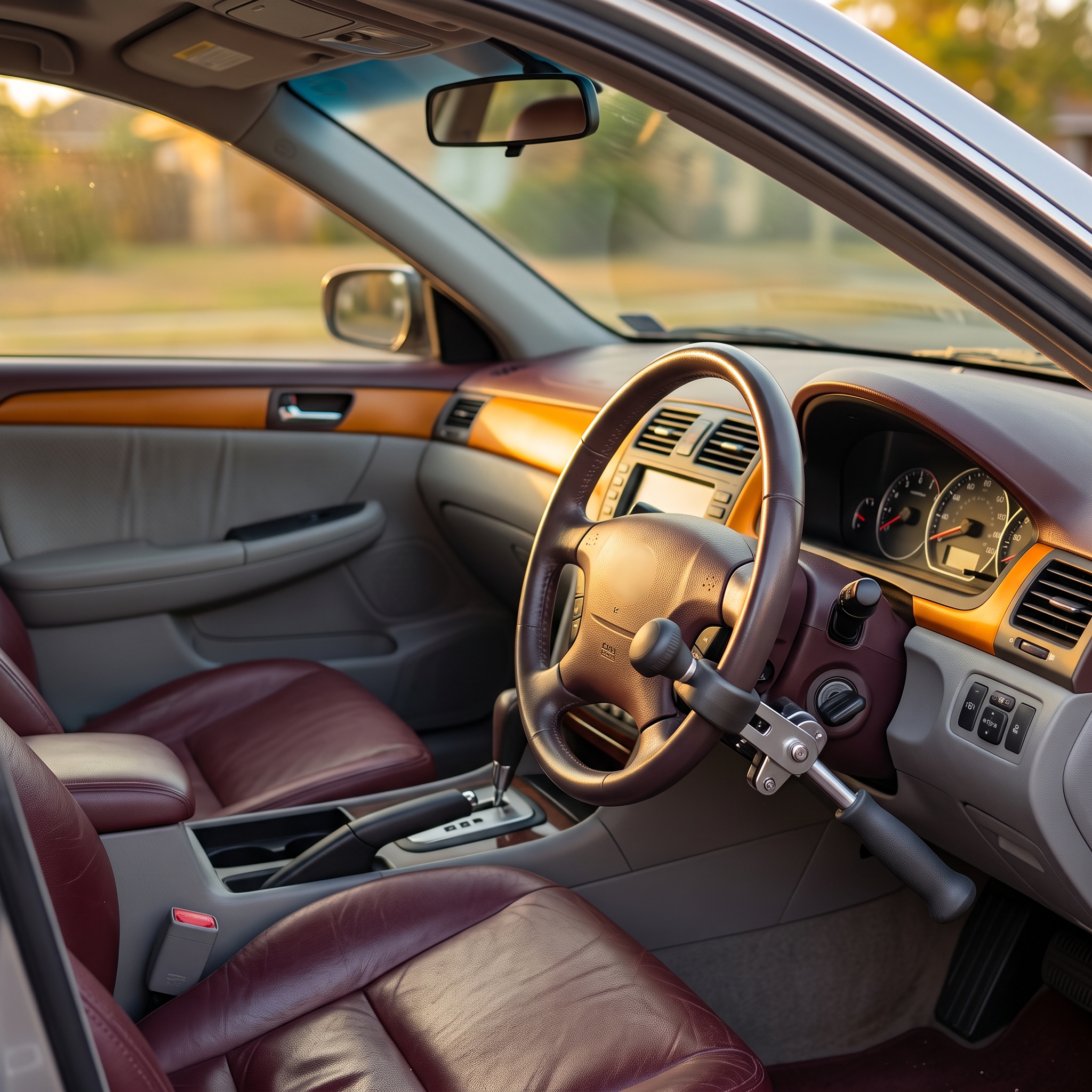
Adaptive equipment covers what actually lets a veteran with a qualifying condition operate a vehicle: power steering, power brakes, power windows, power seats, and equipment to help a veteran get into and out of the car, such as a wheelchair lift, hand controls, or a swivel seat. Every qualifying condition listed above for the automobile allowance also qualifies for adaptive equipment, and ankylosis of the knees or hips qualifies for adaptive equipment on its own, even without qualifying for the cash allowance.
Two features separate this from the one-time allowance. First, it is not a single-use benefit. VA’s Automobile Adaptive Equipment program approves equipment for up to two vehicles within a four-year period, and each vehicle carrying VA-funded equipment generally has to stay on your record for at least four years unless your condition changes or your equipment genuinely needs replacing. Second, adaptive equipment can be installed on a car you already own. You do not have to be buying a new vehicle to request it, which is the opposite of the automobile allowance, which only pays toward a vehicle you are in the process of purchasing.
Automobile allowance vs. adaptive equipment grant
| Factor | Automobile Allowance | Adaptive Equipment Grant |
|---|---|---|
| What it pays for | Cash toward purchasing a vehicle | Installed equipment: hand controls, power seats, lifts |
| Maximum amount | Up to $27,074.99 (effective 10/1/2025) | No published cap; VA approves the actual cost of prescribed equipment |
| How many times | Once in a lifetime | Repeatable, up to 2 vehicles within a 4-year period |
| Vehicle it applies to | A vehicle you are buying | A vehicle you already own, or a new one |
| Qualifying conditions | Foot/hand loss, severe vision loss, severe burns, ALS | Same as automobile allowance, plus knee or hip ankylosis |
| Best for | A veteran buying their first accessible vehicle | A veteran replacing worn equipment or modifying a car they already drive |
How to apply: two forms, two different VA offices
If you are applying for the automobile allowance, or for the allowance together with adaptive equipment, use VA Form 21-4502, “Application for Automobile or Other Conveyance and Adaptive Equipment,” under Title 38 of the United States Code (U.S.C.), §§ 3901 to 3904, the federal law authorizing these benefits. This form goes through VA’s disability compensation channel, the same regional-office process that handles your service-connected disability claims, and VA’s own form page confirms it covers both the vehicle purchase and the adaptive modifications in a single application.
If you only need adaptive equipment, without applying for the one-time cash allowance, the intake point is different: VA Form 10-1394, “Application for Adaptive Equipment – Motor Vehicle,” submitted to a prosthetic representative at your local VA medical center rather than to a regional office. This routes through VA’s health care and prosthetics system, not the disability compensation claims process, which is why a veteran can be actively receiving VA health care and request equipment through that channel even when their compensation claim is handled separately.
In both cases, you must get VA’s approval before you buy the vehicle or the equipment. Per VA’s compensation program page, a purchase made ahead of approval is not eligible for reimbursement after the fact.
What causes delays or denials
The most common mistake is buying first and applying second. VA requires prior approval for both benefits, and a vehicle or equipment purchased before that approval generally will not be reimbursed, no matter how clearly the condition would otherwise qualify.
The second mistake is applying for the wrong benefit. A veteran with knee or hip ankylosis who submits VA Form 21-4502 expecting the $27,074.99 cash allowance is filing for a payment their condition does not unlock. The claim doesn’t get denied because the veteran isn’t a legitimate candidate for VA help. It gets denied because ankylosis only opens the adaptive equipment door, not the cash-grant door, and the application should have gone in as an equipment request instead.
The third is assuming the automobile allowance refreshes when a vehicle wears out or gets totaled. It does not. It is a single lifetime payment. A veteran who already received it and now needs a different vehicle is not eligible for a second automobile allowance, though they remain eligible to have adaptive equipment installed on whatever vehicle they get next.
Frequently asked questions
Can I get the automobile allowance more than once? No. The automobile allowance is a one-time payment of up to $27,074.99 per veteran, ever. If you already received it, a future vehicle purchase is not eligible for a second allowance, even if your condition has changed or your original vehicle is gone.
Does knee or hip ankylosis qualify me for the $27,074.99 payment? No. VA lists ankylosis of one or both knees or hips as qualifying for the adaptive equipment grant only, not the one-time automobile allowance. Foot loss, hand loss, severe vision loss, severe burns, and ALS are the conditions that unlock the cash payment itself.
Can VA install adaptive equipment on the car I already drive? Yes. Unlike the automobile allowance, which only applies to a vehicle you are purchasing, the adaptive equipment grant can fund hand controls, a lift, or other modifications on a vehicle you already own, provided your service-connected condition qualifies.
Do I need an existing disability rating before I apply? Yes. Both benefits require an established service-connected condition. If VA has not yet rated your disability, you generally need to file that claim first, since eligibility is tied to a condition VA has already confirmed is connected to your service.
What happens if I buy the vehicle before VA approves my claim? You risk losing the benefit entirely. VA requires prior approval before you purchase a vehicle or adaptive equipment, and a purchase made ahead of that approval is generally not eligible for reimbursement afterward.