
VA Special Monthly Compensation: How SMC-K Through SMC-O Work
7 min read · Last updated August 23, 2026
- SMC-K pays a flat $139.87 a month (effective December 1, 2025) on top of a disability rating anywhere from 0% to 100%, for each qualifying anatomical loss.
- SMC-L through SMC-O are separate, higher base rates (roughly $4,900 to $6,877 a month for a veteran alone) tied to specific combinations of severe losses, not a percentage score.
- A veteran can be paid SMC-K more than once if more than one qualifying loss exists, and SMC-K stacks on top of most other SMC levels.
- None of these levels require a 100% combined disability rating to qualify.
In this article
- What Special Monthly Compensation is
- Who qualifies
- What it covers
- How to apply
- What causes denials or delays
- Frequently asked questions
A veteran rated 70% for a service-connected back injury who also lost effective use of one hand in a separate training accident is not limited to that 70% check. If the hand qualifies as a specific anatomical loss under federal law, the VA (Department of Veterans Affairs) adds a flat monthly amount on top of the 70% rate. That add-on does not depend on the combined rating math at all. It is called Special Monthly Compensation (SMC), and most veterans who qualify for it never file for it because no one told them it exists separately from their disability rating.
What Special Monthly Compensation is
Standard VA disability compensation is scored on a 0-100% combined rating, built from individual ratings for each service-connected condition. SMC works differently. Under Title 38, United States Code (U.S.C.), Section 1114, the VA pays SMC in addition to, or in some cases instead of, the standard rating. It applies to specific severe disabilities listed by letter grade: K, L, L-1/2, M, M-1/2, N, N-1/2, O, P, and R. Each grade corresponds to defined anatomical losses or a documented need for regular aid and attendance, not a percentage score.
This article covers the less-discussed middle grades, SMC-K through SMC-O. It does not cover the Housebound benefit (SMC-S), which has its own eligibility rules, or how combined ratings are calculated under the standard rating schedule.
| SMC level | Plain-language trigger |
|---|---|
| K | One specific loss or loss of use: a hand, a foot, a creative organ, one eye (light perception only), both ears (deafness), or qualifying breast tissue loss. |
| L | Loss or loss of use of both feet, one hand and one foot, blindness at 5/200 acuity or worse in both eyes, or being permanently bedridden or needing regular aid and attendance. |
| M | Loss or loss of use of both hands, both legs at a level preventing natural knee action, or blindness with only light perception in both eyes. |
| N | Loss of both arms at a level preventing natural elbow action, loss of both legs so near the hip a prosthesis cannot be used, or total blindness in both eyes. |
| O | Loss of both arms so near the shoulder no prosthesis can be used, qualifying combinations of two or more L-through-N conditions, or specific deafness-plus-blindness combinations. |
Who qualifies
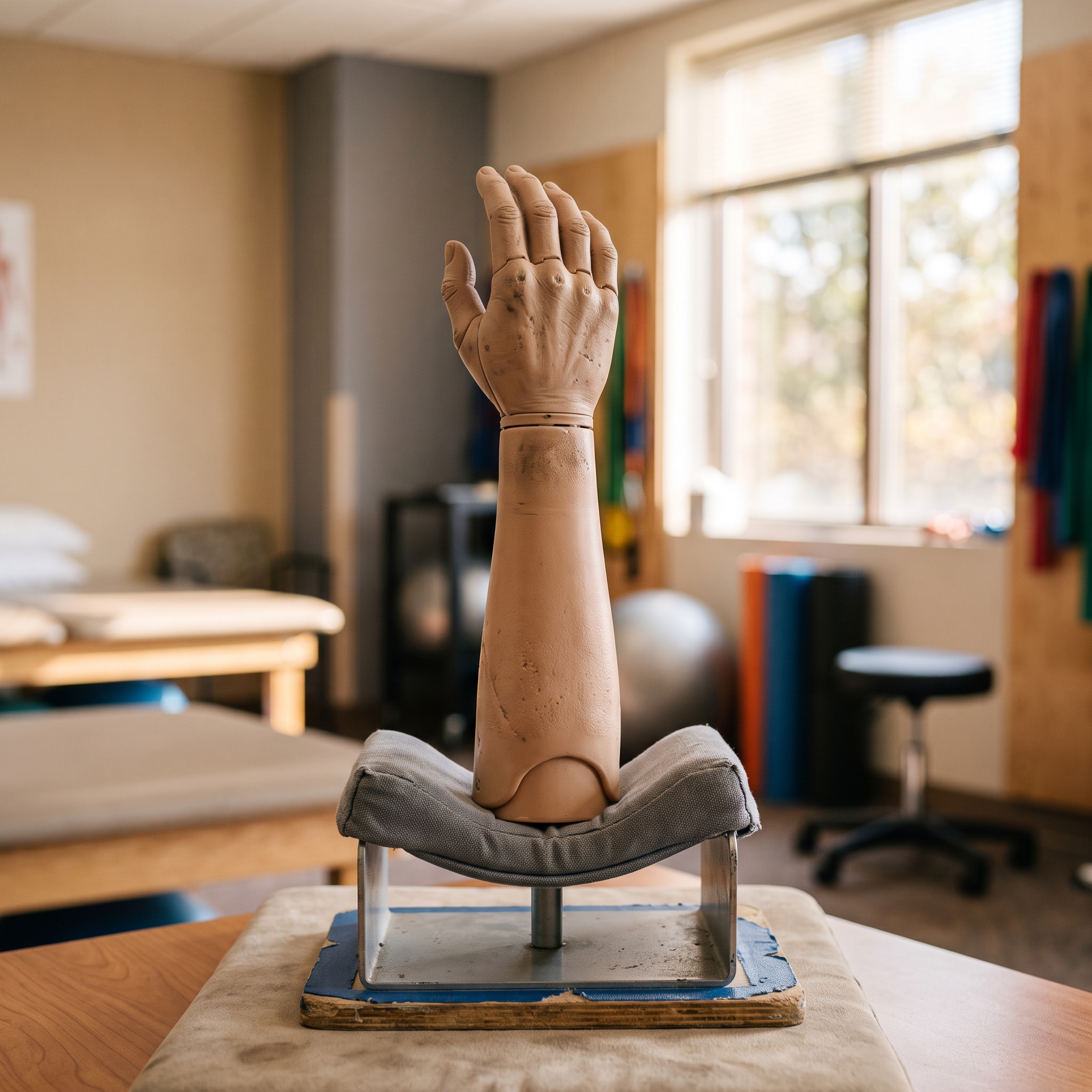
SMC-K is the narrowest and most commonly missed grade. Under Section 3.350(a) of Title 38 of the Code of Federal Regulations (CFR), it applies to each anatomical loss or loss of use of one hand, one foot, or both buttocks. It also covers one or more creative organs, blindness of one eye with light perception only, deafness of both ears with absence of air and bone conduction, or complete organic aphonia. For a woman veteran, it covers loss of 25% or more of tissue from a single breast or both breasts, including from mastectomy or radiation treatment. Loss of use of a hand or foot exists when no effective function remains beyond what an amputation with a prosthesis would provide. That determination rests on actual grasping, manipulation, or weight-bearing ability, not the diagnosis label alone.
SMC-L through SMC-O apply to more severe or combined losses. SMC-L covers loss of both feet, one hand and one foot together, or bilateral blindness at 5/200 visual acuity or worse. It also covers being permanently bedridden or in need of regular aid and attendance from a service-connected disability. SMC-M covers loss of both hands, or loss of both legs (or one arm and one leg) at a level preventing natural joint action with a prosthesis. SMC-N requires loss of both arms at a level preventing elbow action, loss of both legs so close to the hip no prosthesis can be fitted, or total blindness in both eyes. SMC-O is reserved for the most severe cases: loss of both arms so near the shoulder no prosthesis applies, or a veteran who separately qualifies for two or more conditions listed under L through N.
This is a distinct legal test from the Housebound benefit (SMC-S) and from Aid and Attendance paid under VA Pension, which have their own thresholds. If a reader is unsure whether their situation fits Housebound criteria specifically, that program is covered separately in ResourceHelpHub’s Housebound benefit guide.
What it covers
As of the rates effective December 1, 2025, SMC-K pays $139.87 a month per qualifying loss, added directly on top of the veteran’s standard compensation check at whatever percentage that check already reflects. Consider a veteran with two separate SMC-K-qualifying losses, such as loss of use of one hand and loss of a creative organ. Under 38 CFR 3.350(a), that veteran can be paid the SMC-K rate twice.
SMC-L through SMC-O are paid as standalone base rates rather than small add-ons. For a veteran with no dependents, the current published rates are approximately $4,900.83 a month at SMC-L, $5,408.55 at SMC-M, $6,152.64 at SMC-N, and $6,877.12 at SMC-O, all effective December 1, 2025. These figures rise with an approved dependent (spouse, child, or parent) and change with the annual cost-of-living adjustment. A veteran should always confirm the current figure on VA’s compensation rates page rather than relying on a saved number. SMC-K amounts can also be added on top of most L-through-R base rates when a veteran has additional qualifying losses beyond the ones that established the base grade. Combined SMC-K additions are capped so the total does not exceed the SMC-O rate.
How to apply
SMC is not automatically calculated the moment a veteran files a routine disability claim. The VA is required to consider SMC when the evidence in the claims file reasonably supports it, even without the veteran naming the specific letter grade. A Compensation and Pension (C&P) exam still has to document the specific anatomical loss or functional inability that the regulation requires. A veteran who believes they qualify should raise it explicitly, either as part of an open claim or in a new claim. The C&P exam findings and any private medical records need to describe the loss in the regulation’s own terms, such as “no effective function remains,” not just a diagnosis.
For SMC-L and higher grades tied to a need for regular aid and attendance, the VA also accepts VA Form 21-2680. A treating physician completes this form, and the veteran mails it to their VA regional office.
What causes denials or delays
The most common reason a valid SMC-K claim gets missed is documentation. A C&P exam or private treatment record that states only a diagnosis, such as “peripheral neuropathy of the right foot,” does not meet the “loss of use” standard in 38 CFR 3.350(a)(2). It has to describe actual remaining function. The exam has to address whether grasping, manipulation, or weight-bearing function remains, compared to what an amputation with a prosthesis would allow.
A second common gap is veterans assuming that because they already have a 100% combined rating, no additional payment is available. SMC-K is added independently of the combined rating and can apply at any percentage. A veteran who reaches 100% through math alone, without a qualifying anatomical loss, is not owed SMC-K. A veteran rated well below 100% with a qualifying loss can still be owed it. The two determinations are separate, and neither one substitutes for the other.
Frequently asked questions
Does SMC-K require a 100% disability rating? No. SMC-K is added to a combined disability rating anywhere from 0% to 100%. It is a separate, fixed monthly amount triggered by a specific anatomical loss, such as loss of use of a hand, not by reaching a particular percentage threshold on the standard rating schedule.
Can a veteran receive SMC-K more than once? Yes. Under 38 CFR 3.350(a), SMC-K is payable for each separate qualifying anatomical loss or loss of use. A veteran with two distinct qualifying losses, such as one hand and hearing in both ears, may be paid the SMC-K rate twice, subject to overall statutory limits.
How is SMC-L different from the VA Housebound benefit? SMC-L can be based on loss of specific body parts or a documented need for regular aid and attendance under 38 CFR 3.352(a). The Housebound benefit (SMC-S) uses a different legal test tied to being substantially confined to the home by service-connected disability, covered in a separate ResourceHelpHub guide.
Is SMC paid automatically after a C&P exam? Not always automatically by name, but VA must consider it when the record supports it. Because outcomes depend on how findings are documented, a veteran who believes they qualify should raise SMC explicitly in a claim rather than assuming the exam alone will trigger it.
What form is used to claim aid and attendance under SMC-L or higher? VA Form 21-2680, Examination for Housebound Status or Permanent Need for Regular Aid and Attendance, documents the need for regular aid and attendance. A treating physician completes it, and the veteran submits it to their VA regional office.